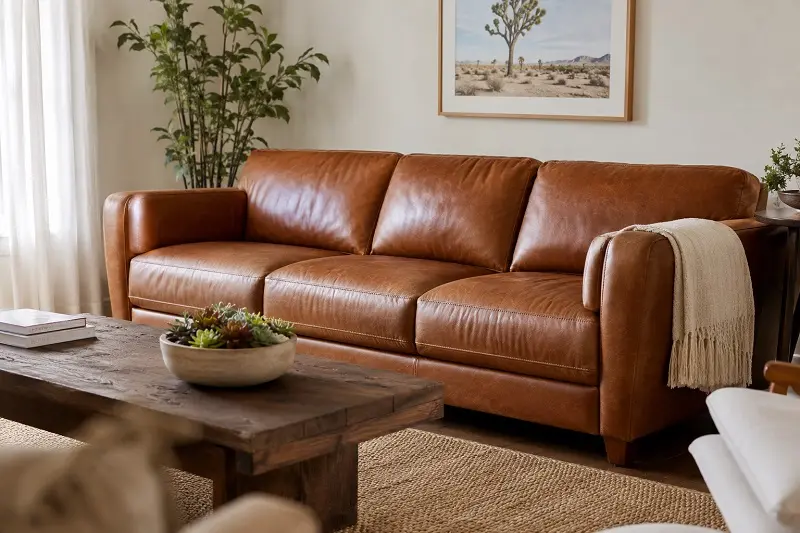
A leather sofa is one of the best investments you can make for your living room. It looks stylish, feels comfortable, and lasts for many years when you take care of it properly. But here is the thing. Leather is not as tough as it looks. It needs gentle, consistent care to stay soft and beautiful.
Many people make the mistake of grabbing whatever cleaning product is nearby and scrubbing away. That can cause serious damage. Wrong cleaning methods lead to cracks, fading, dryness, and stains that are nearly impossible to remove later. Leather couch cleaning is not complicated, but it does require the right approach.
This guide will walk you through everything you need to know about leather sofa care. From choosing the right tools to removing tough stains, you will find easy step-by-step methods that anyone can follow at home. No experience needed. No expensive products required. Whether you are doing routine leather furniture cleaning or a deep refresh, this blog has you covered with safe and practical leather sofa maintenance tips.
Understanding Your Leather Sofa Before Cleaning
Different Types Of Leather Sofas
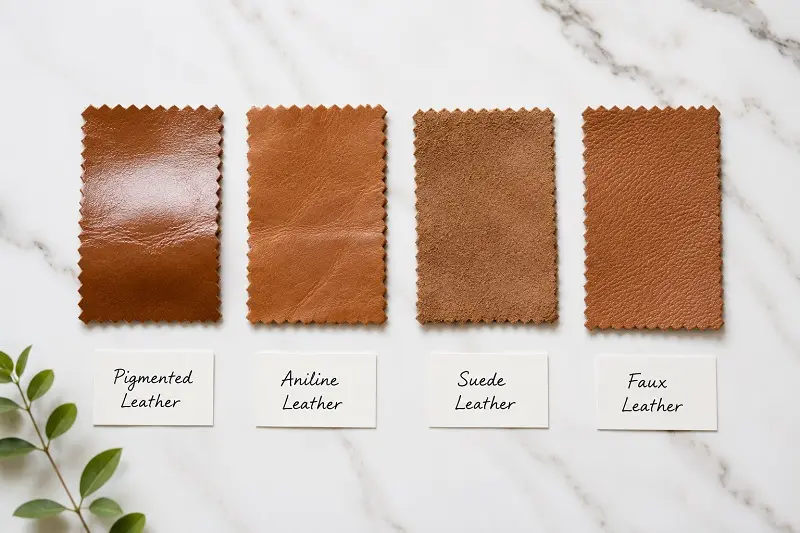
Not all leather sofas are the same. Knowing what type of leather you have changes how you clean it.
TypeCoatingStain ResistanceCleaning DifficultyPigmentedFullHighEasySemi-anilineLightMediumModerateBondedVariesLowGentle onlyAnilineNoneVery lowHardSuede / NubuckNoneVery lowHardFauxN/AGoodEasy
Check The Manufacturer Care Label
Before you use any product on your sofa, find the care label. It is usually under the cushion or on the sofa frame. The label uses cleaning codes that tell you exactly what is safe.
“W” means water-based cleaners are safe. “S” means only solvent-based products should be used. “W/S” means both are fine. “X” means that only vacuuming and professional cleaning is recommended.
Following these codes protects your custom sofa from accidental damage and keeps any warranty valid.
Test Products in a Hidden Area
Even if a product says it is safe for leather, always do a patch test first. Apply a small amount to a hidden area like the back or underside of the sofa. Wait a few minutes and check for discolouration, stickiness, or any change in texture. If everything looks fine, it is safe to use on the rest of the sofa.
Things You Need To Clean A Leather Sofa
Essential Cleaning Tools
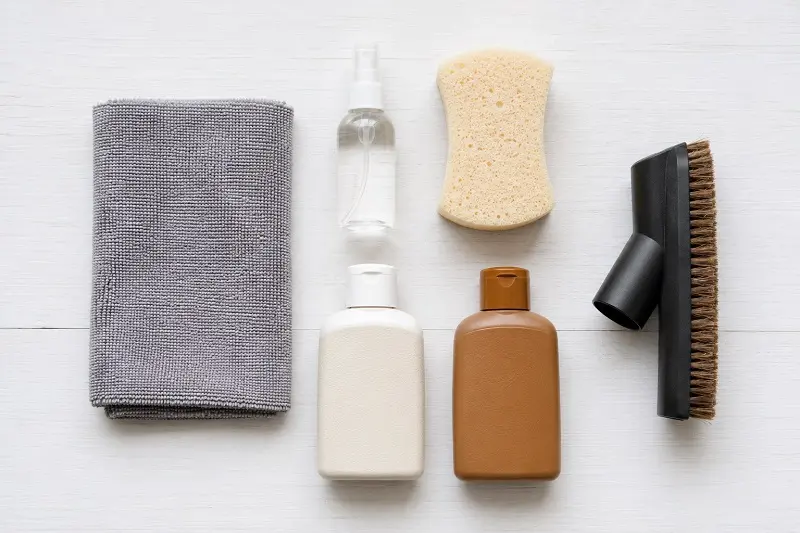
You do not need fancy equipment. These simple tools are all you need:
A microfiber cloth is gentle and does not scratch the surface. You should have at least two, one for cleaning and one for drying. A vacuum with a soft brush attachment gets into seams and corners without scratching. A soft sponge works well for applying cleaning solutions. Distilled water is better than tap water because it has no minerals that could leave marks. A spray bottle helps you control how much water or solution you apply.
Safe Leather Cleaning Products
For routine cleaning, mild soap diluted in water works well. A proper leather cleaner is ideal for monthly or deep cleaning. After every cleaning session, apply a leather conditioner to restore moisture. A leather protector spray adds an extra layer of defence against future stains and spills.
Products You Should Never Use
Some common household products can permanently damage your leather sofa. Avoid all of these.
Bleach strips the colour and dries out the leather. Ammonia breaks down the leather’s natural oils. Baby wipes and wet wipes often contain alcohol and chemicals that cause cracking over time. Steam cleaners push moisture deep into the leather, which leads to mould and warping. Harsh detergents like dish soap in large amounts leave residue and dry out the surface. Too much vinegar can strip protective coatings. Hair dryers cause rapid drying and cracking. Always keep heat away from leather.
How To Clean A Leather Sofa Step By Step
Step 1: Remove Dust And Loose Dirt
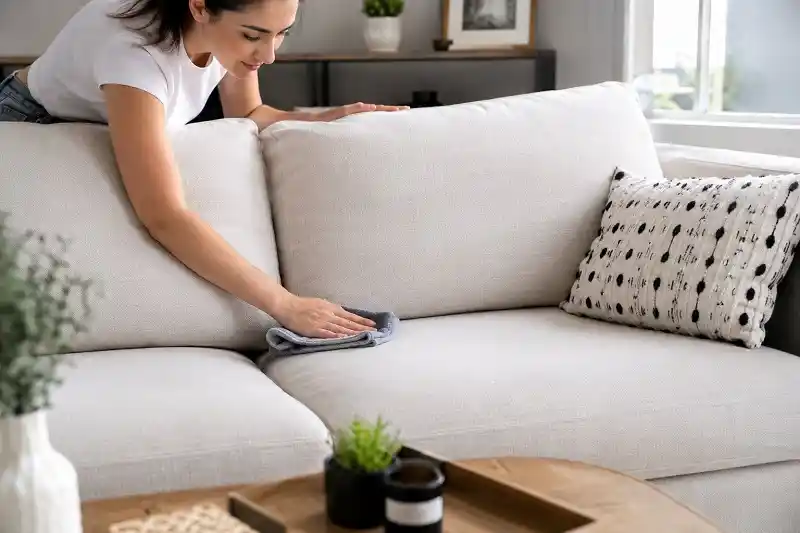
Start completely dry. Take a clean, dry microfiber cloth and wipe down the entire surface of the sofa. This removes dust, pet hair, and any dry crumbs that could scratch the leather during wet cleaning. Work from the top of the sofa down toward the seat.
Step 2: Vacuum Gaps And Corners
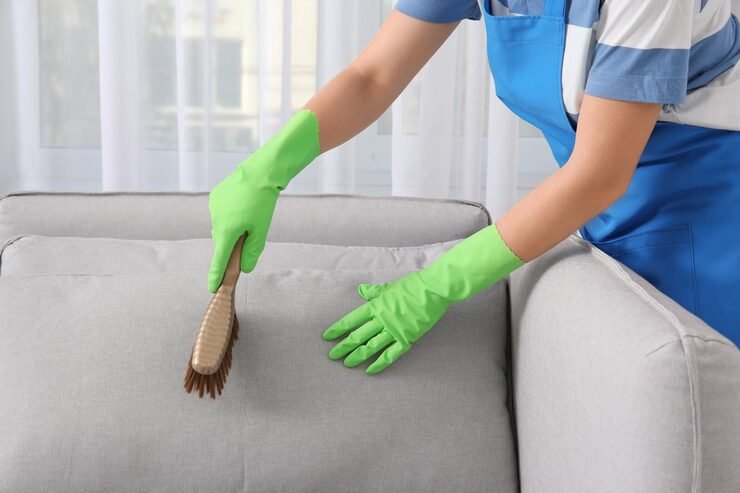
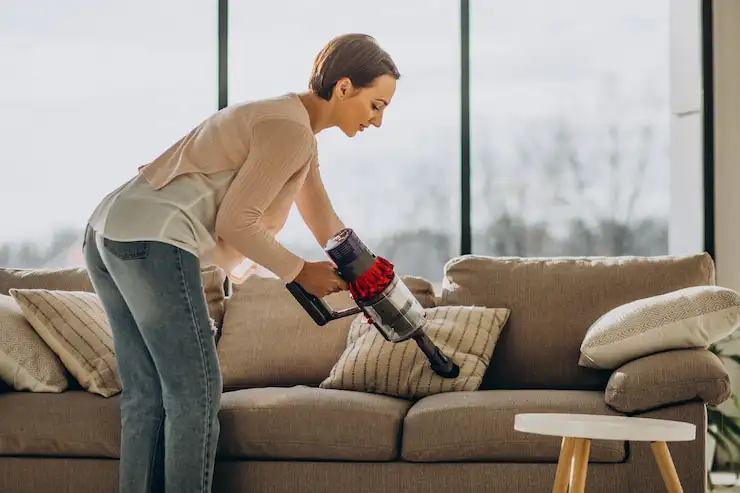
Use your vacuum with the soft brush attachment to clean the areas your cloth cannot reach. Pay close attention to the seams, armrests, the space between cushions, and under removable cushions. Dirt collects in these areas and can cause long-term damage if ignored.
Step 3: Prepare A Safe Cleaning Solution
Mix a few drops of mild soap into a bowl of distilled water. The ratio should be about five parts water to one part soap. You want a very light solution. A strong soapy mix leaves residue on the leather that attracts more dirt.
Step 4: Wipe The Sofa Gently
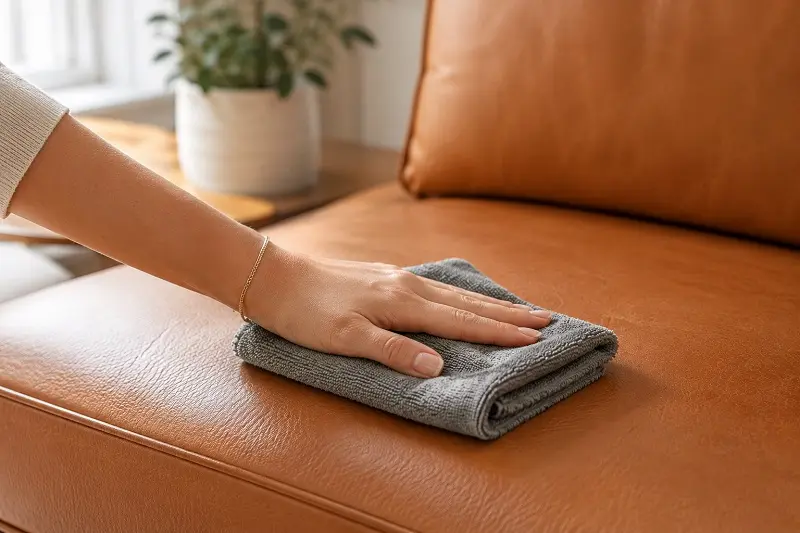
Dip your microfiber cloth or soft sponge into the solution and wring it out well. The cloth should be just damp, not wet. Clean the sofa in small sections using gentle circular motions. Never press too hard. Let the solution do the work. Work section by section so you can track where you have cleaned.
Step 5: Remove Cleaner Residue
Once you have cleaned a section, take a second clean, damp cloth with plain distilled water and wipe away any soap residue. Leaving soap on leather causes it to dry out and look dull.
Step 6: Dry The Leather Properly
Pat the surface gently with a dry microfiber cloth to absorb excess moisture. Then let the sofa air dry completely on its own. Open windows if possible to improve airflow. Never point a fan directly at the sofa and never use a hair dryer. Natural drying is the only safe method.
Step 7: Apply Leather Conditioner
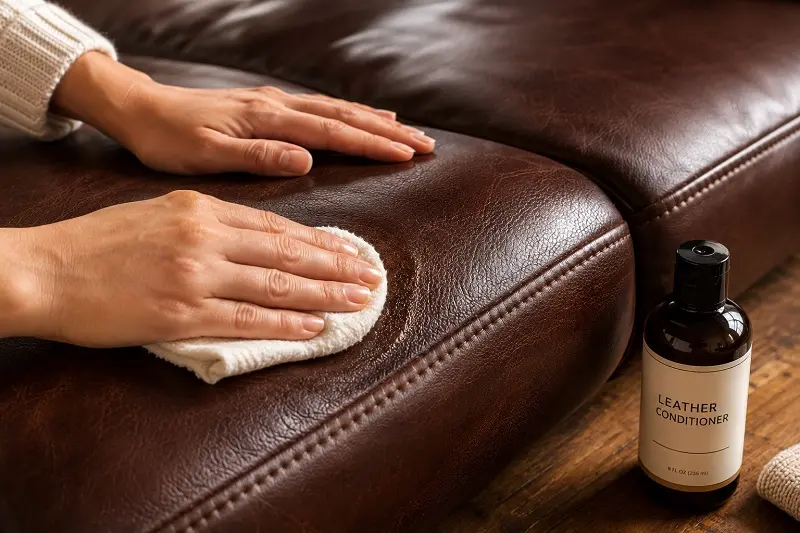
Once the sofa is fully dry, apply a leather conditioner. Put a small amount on a clean cloth and work it into the leather using circular motions. Conditioner restores the natural oils that cleaning removes. It keeps the leather soft and prevents cracking. This step is not optional. Skipping it will make your leather dry and brittle over time.
Step 8 Buff The Leather Surface
After the conditioner has soaked in for a few minutes, use a clean, dry cloth to gently buff the surface. Use light circular movements. This removes any excess conditioner and brings up a soft, natural shine. Your sofa should now look noticeably cleaner and healthier.
How Often Should You Clean A Leather Sofa
Daily Care
Every day, give your sofa a quick wipe with a dry microfiber cloth. This takes less than a minute and removes dust before it builds up. This simple habit makes a big difference in how long your sofa stays looking new.
Weekly Maintenance
Once a week, use the vacuum with the soft brush attachment to clean the seams and corners. Follow with a quick wipe using a barely damp cloth to remove any surface oils or light smudges.
Monthly Cleaning
Every month, use a proper leather cleaner to remove surface oils, body sweat, and deeper grime. Follow the cleaning steps above. Always condition after cleaning.
Deep Cleaning Schedule
Every six to twelve months, do a thorough deep clean. This involves cleaning every surface, including the back and sides, conditioning, and applying a leather protector. Deep cleaning extends the life of your sofa and keeps it looking vibrant.
How To Remove Common Leather Sofa Stains
Ink Stains
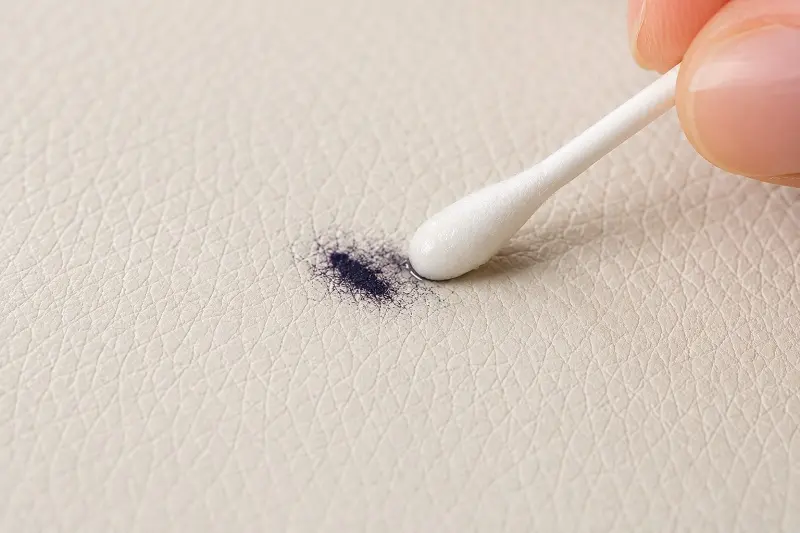
Act fast. Dip a cotton ball or cotton bud lightly in rubbing alcohol. Dab gently on the ink stain. Do not rub or spread it. Work from the outside of the stain toward the center. Blot dry with a clean cloth and follow with conditioner.
Oil And Grease Stains
Sprinkle a small amount of baking soda or cornstarch directly on the stain. Let it sit for a few hours. It will absorb the grease naturally. Brush it away gently with a soft cloth and wipe the area clean with a damp cloth.
Food And Drink Spills
Speed is everything here. Blot the spill immediately with a dry cloth. Do not wipe as that spreads it. Press and lift. Once most of the liquid is absorbed, clean the area with a damp cloth and mild soap solution. Dry and condition.
Water Stains
Water stains happen when only part of the leather gets wet and dries unevenly. To fix this, dampen the entire affected area evenly with distilled water and let it dry naturally. Blending the moisture usually removes the ring.
Pet Stains
Blot up as much of the stain as possible immediately. Clean with a mild leather cleaner. For odour, sprinkle baking soda on the area, leave overnight, and vacuum it off the next day. Never use enzyme-based pet cleaners on leather as they can cause discolouration.
Sweat And Body Oil Marks
The headrest and armrests are the most affected areas. These oils build up over time and can darken the leather. Clean these areas weekly with a damp cloth and mild soap. Monthly conditioning prevents permanent staining.
Dye Transfer From Jeans Or Clothes
Dark denim and coloured clothing can transfer dye to light leather sofas. Light dye transfer can sometimes be treated with a small amount of rubbing alcohol applied carefully. For heavy or stubborn dye transfer, professional treatment is the safest option. Home remedies can make it worse.
Paint Stains
For wet paint, blot immediately. Do not rub. For dried paint, try gently loosening it with a damp cloth first. If it does not come off, use a very small amount of rubbing alcohol on a cotton bud. Always test in a hidden area first.
Blood Stains
Only use cold water on blood stains. Warm or hot water sets the stain permanently. Apply cold water with a clean cloth and blot gently. Repeat until the stain fades. Then dry and condition the area.
Mould And Mildew
Mix equal parts water and rubbing alcohol. Apply with a cloth and gently wipe the mouldy area. Dry the sofa completely and move it away from damp areas. Improve ventilation in the room. For large mould patches, call a professional cleaner immediately.
Leather Sofa Stain Removal Table
| Stain Type | Safe Cleaner | What To Avoid | DIY Or Professional | Cleaning Time |
| Ink | Rubbing alcohol (dab only) | Water, bleach | DIY for small stains | 10 to 15 minutes |
| Oil and grease | Baking soda, cornstarch | Wet wipes, harsh soap | DIY | A few hours to absorb |
| Food and drink | Damp cloth, mild soap | Scrubbing, hot water | DIY | Immediate blotting |
| Water stains | Distilled water | Heat drying | DIY | 30 minutes |
| Pet stains | Mild leather cleaner | Enzyme cleaners | DIY for fresh stains | 20 to 30 minutes |
| Sweat and body oil | Mild soap solution | Harsh detergents | DIY weekly | 10 minutes |
| Dye transfer | Rubbing alcohol (light cases) | Bleach, abrasives | Professional for heavy transfer | Varies |
| Paint | Rubbing alcohol (dried) | Hot water, scraping | DIY for small spots | 15 minutes |
| Blood | Cold water only | Warm or hot water | DIY | 10 to 20 minutes |
| Mould and mildew | Water and rubbing alcohol | Steam cleaners | Professional for large areas | 30 minutes |
DIY Leather Sofa Cleaner Recipes
Mild Soap And Water Cleaner
This is the most reliable and safest DIY recipe. Mix five parts distilled water with one part mild liquid soap in a bowl. Stir gently. Dip a microfiber cloth into the solution, wring it out well, and clean the leather in small sections. This is safe for most leather types, including pigmented and semi-aniline.
Vinegar And Water Solution
Mix equal parts white vinegar and distilled water. Use sparingly and only for light cleaning or removing mild stains. Always dilute it. Straight vinegar is too acidic and can damage leather over time. After using this solution, wipe with plain water and always condition afterward.
Baking Soda Method
Baking soda is excellent for grease and odours. Sprinkle it directly on the affected area and leave it for a few hours or overnight. It absorbs oils and neutralises smells. Brush or vacuum it away gently.
Olive Oil And Vinegar Polish
Mix two parts olive oil with one part white vinegar. Apply a very small amount to a cloth and buff lightly onto the leather. This can restore a light shine and add some moisture. However, use this very sparingly. Too much olive oil can darken the leather over time and attract dust. Test in a hidden area first.
DIY Cleaners To Avoid
Some home remedies do more harm than good. Avoid lemon juice as the high acidity strips leather’s natural oils. Avoid strong vinegar mixes that have not been diluted properly. Never use bleach in any concentration. Be careful with alcohol overuse as it dries the leather when applied too frequently or in large amounts.
How To Clean Different Leather Sofa Colours
White Leather Sofa
White leather shows everything. The biggest threats are yellowing and dark stains from denim or clothing. Clean white leather weekly with a mild soap solution. Use a leather protector spray regularly to create a barrier against stains. For yellowing, use a cleaner specifically designed for white leather. Avoid products with petroleum as they speed up yellowing.
Black Leather Sofa
Black leather tends to collect dust and show light marks very easily. Wipe it down daily with a dry microfiber cloth. Use a leather cleaner that is designed to maintain dark colours so it does not cause fading. Regular conditioning keeps the deep black colour looking rich and prevents cracking.
Brown Leather Sofa
Brown leather is the most forgiving of all colours. It hides light marks well. Focus on maintaining its natural shine with monthly conditioning. Use a cleaner that matches or complements the undertone of your brown sofa. Some cleaners can slightly lighten or change the warmth of the colour if they are not colour safe.
Cream And Beige Leather Sofa
These lighter shades are very vulnerable to colour transfer from clothes and cushions. Always place a light throw or cover if you regularly sit in the same spot wearing dark clothing. Clean frequently with a mild soap solution and use a leather protector to reduce staining. Act on spills and marks immediately.
How To Make An Old Leather Sofa Look New Again
Restore Shine
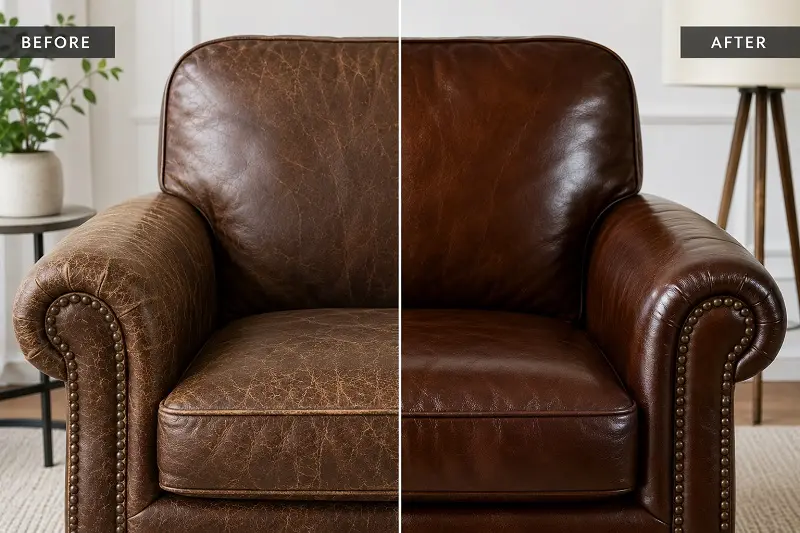
An old leather sofa often just looks dull because it has not been conditioned in a long time. A deep clean followed by a generous application of quality leather conditioner and buffing can dramatically restore its appearance. This alone can make a five-year-old sofa look almost new.
Fix Dry And Cracked Leather
For dry and cracked leather, use a dedicated leather repair product. These come in kits with a filler that fills in the cracks. After applying the filler and letting it dry, apply several layers of leather conditioner over the next few days. Prevention is easier than repair, so do not skip conditioning during regular cleaning.
Reduce Minor Scratches
Light surface scratches can often be minimised by rubbing them gently with your finger or a soft cloth. The natural warmth and oil from your skin can help blend minor scratches. For slightly deeper scratches, apply a small amount of leather cream and buff gently in a circular motion.
Remove Dull Appearance
Dullness usually comes from dirt buildup and a lack of moisture. A thorough deep clean followed by conditioning and buffing will remove the dull layer. You may need to repeat conditioning two or three times over a few days for very dry sofas.
Restore Faded Leather
Faded leather is harder to fix at home. For serious colour loss, professional recolouring is the best option. Professionals match your sofa’s original colour and apply it evenly using specialist tools. Attempting to recolour leather at home without the right products often results in patchy and uneven results.
Leather Sofa Cleaning Mistakes To Avoid
Using Too Much Water
Leather and water do not mix well in large amounts. Too much water soaks into the leather, weakens the fibres, and can cause cracking, bubbling, or mould growth underneath. Always use a barely damp cloth.
Scrubbing Too Hard
Hard scrubbing removes the protective finish from your leather. Once the finish is gone, the leather becomes very vulnerable to stains and damage. Always use gentle, circular motions with light pressure.
Skipping Conditioner
This is one of the most common mistakes. Cleaning removes the leather’s natural oils. Without conditioner, the leather dries out and develops cracks within weeks. Always condition after every cleaning session.
Using Random Household Products
Products like furniture polish, glass cleaner, or all-purpose sprays are designed for other surfaces. They can discolour leather, leave sticky residue, or break down the protective coating. Only use products made specifically for leather or the gentle soap and water solution described in this guide.
Drying With Heat
Using a hair dryer or placing the sofa near a heater to speed up drying is a fast way to ruin leather. Rapid moisture loss causes the leather to shrink, stiffen, and crack. Always let it air dry naturally.
Ignoring Small Stains
A small stain today becomes a permanent mark tomorrow. Leather absorbs liquids and oils quickly. The longer a stain sits, the deeper it penetrates. Always address spills and marks as soon as they happen.
Preventive Leather Sofa Care Tips
Keep Away From Direct Sunlight
UV rays fade leather quickly and dry it out. Position your sofa away from windows or use curtains and blinds during peak sunlight hours. Even a few months of direct sun exposure can cause noticeable fading and cracking.
Keep Away From Heat Sources
Radiators, fireplaces, and heating vents dry out leather over time. Keep your sofa at least one metre away from any direct heat source. Consistent low humidity also dries leather, so a room humidifier can help in very dry climates.
Rotate Cushions
If your sofa has removable cushions, rotate and flip them regularly. This distributes wear evenly so no single spot develops sagging or excessive fading faster than the rest.
Clean Spills Immediately
Do not wait. Grab a dry cloth the moment anything spills on your leather sofa. The faster you act, the less likely the stain will set. Blot and do not rub.
Use Leather Protector
Apply a leather protector spray every few months. This creates an invisible barrier on the surface that repels liquids and makes stains easier to clean. It is especially useful for light coloured sofas.
Trim Pets Nails
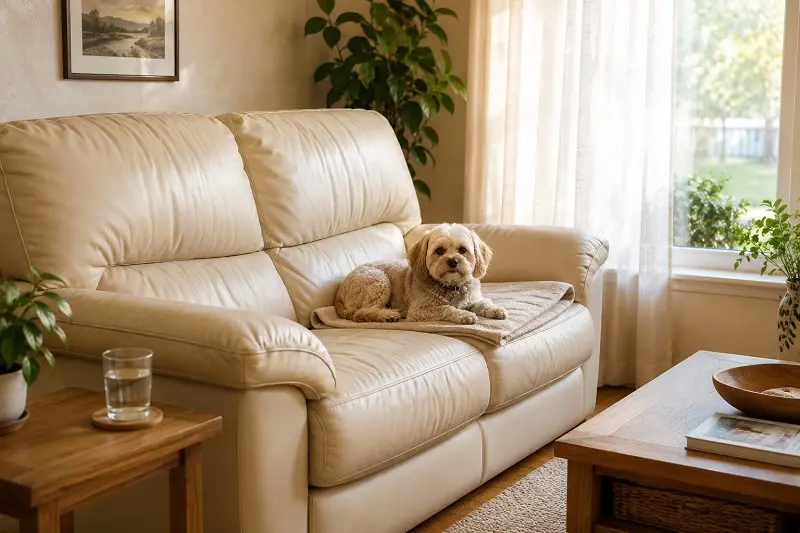
If you have cats or dogs, keeping their nails trimmed reduces the risk of scratches on your sofa. You can also place a pet blanket or throw in their favourite spot.
Avoid Eating On The Sofa
Food and drinks are the most common sources of leather sofa stains. Making the sofa a no-eating zone saves a lot of cleaning time and prevents grease and liquid stains from building up.
How To Remove Bad Smell from a Leather Sofa
Baking Soda Odour Removal
Sprinkle baking soda generously over the sofa cushions and surfaces. Leave it for several hours or overnight. It absorbs odours naturally without damaging the leather. Vacuum it off gently with the soft brush attachment the next morning.
Ventilation Tips
Sometimes, leather sofas develop a stale smell simply from being in a closed room. Move the sofa near an open window and let fresh air circulate it for a few hours. This works well for general musty smells that are not caused by stains.
Charcoal Odour Absorption
Activated charcoal is a natural and powerful odour absorber. Place a few bags or bowls of activated charcoal near or under the sofa overnight. It draws in odours from the surrounding air without touching the leather directly.
When Smell Means Mould
If the smell is damp, musty, and earthy and does not go away with airing or baking soda treatment, it could be mould growing inside the cushions or underneath the sofa. In this case, contact a professional leather cleaning service. Mould can spread quickly and cause health issues if left untreated.
Can You Use Household Products On Leather Sofa
Can You Use Vinegar
Yes, but only when diluted properly. Mix equal parts white vinegar and distilled water. Never apply undiluted vinegar directly to leather. Use it sparingly for light cleaning only and always follow with conditioning.
Can You Use Dish Soap
Only mild dish soap in a very small amount is acceptable. A few drops in a bowl of water is the maximum. Harsh or antibacterial dish soaps strip leather’s protective coating and cause drying and cracking.
Can You Use Baby Wipes
This is one of the most common myths in leather care. Baby wipes seem gentle, but many contain alcohol, fragrances, and other chemicals that damage leather over time. They may look harmless, but can cause gradual fading and cracking. Avoid them completely.
Can You Use a Steam Cleaner
Steam cleaners are generally not safe for leather sofas. The heat and excessive moisture can penetrate deep into the leather, causing swelling, warping, and mould growth. Some manufacturers of pigmented leather may allow cautious steam use, but this should only be done by professionals.
Can You Use Coconut Or Olive Oil
Both oils can give leather a temporary shine and some moisture. However, they are not ideal long-term solutions. They can darken leather over time, especially lighter colours. They also go rancid and can attract insects and dust. Use a proper leather conditioner instead.
Professional Leather Sofa Cleaning
When DIY Cleaning Is Enough
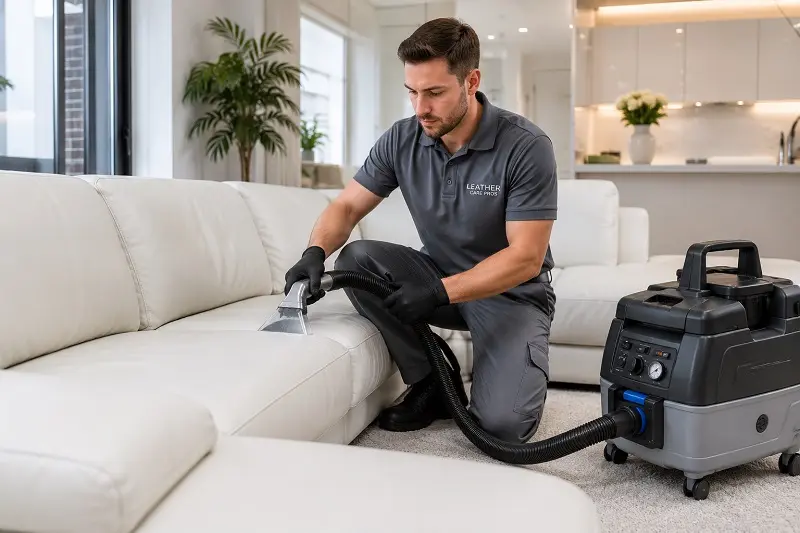
For routine dirt, dust, light surface marks, and mild stains, home cleaning is completely sufficient. If you follow the steps in this guide regularly, most leather sofas will never need professional intervention.
Signs You Need Professional Help
There are situations where professional cleaning is the right choice. Call a professional if you notice deep or set stains that have not responded to home treatment, visible cracks or peeling, large areas of mould or mildew, significant colour loss or fading, or a persistent smell that will not go away.
What Professionals Actually Do
Professional leather cleaners use industrial-grade equipment and specialist products. They perform deep cleaning that removes embedded dirt and oils. They condition and rehydrate the leather thoroughly. They can also carry out restoration work, including filling cracks, fixing peeling bonded leather, and recolouring faded sections. For antique or very expensive sofas, professional care is always worth the investment.
Leather Sofa Cleaning Cost Guide
Costs vary depending on several factors, including the size of the sofa, the type of leather, the level of damage, and the cleaning method used. A small two-seater sofa will cost less than a large sectional. Aniline leather requires more care than pigmented leather and costs more to clean. Restoration work, such as recolouring, costs significantly more than routine cleaning.
Prices also vary a great deal depending on your location and the professional service provider. Always get two or three quotes before booking. Ask what is included in the service. Disclaimer: the costs mentioned here are general guidance only. Actual prices in your area may differ significantly.
Leather Sofa Cleaning Checklist
Use this checklist every time you clean your leather sofa to make sure you have covered every step.
Dust the entire sofa with a dry microfiber cloth. Vacuum all seams, corners, and gaps with a soft brush attachment. Spot clean any stains before doing a full clean. Clean the full surface with a mild soap and water solution or leather cleaner. Wipe away all cleaner residue with a clean, damp cloth. Allow the sofa to air dry completely. Apply leather conditioner to the entire surface. Buff gently with a dry cloth to restore shine. Rotate and flip removable cushions. Apply leather protector spray for extra stain resistance.
Final Thoughts
A leather sofa is beautiful, durable, and worth every penny you paid for it. But it only stays that way with the right care. The good news is that leather sofa maintenance does not have to be difficult or expensive.
Regular cleaning keeps leather soft, clean, and free from damage. Using safe products protects the leather’s natural texture and colour. Acting quickly on spills and stains prevents them from becoming permanent. And conditioning after every cleaning extends the life of your sofa by years.
Follow the steps and tips in this guide, stick to a simple routine, and your leather sofa will look great for a very long time.