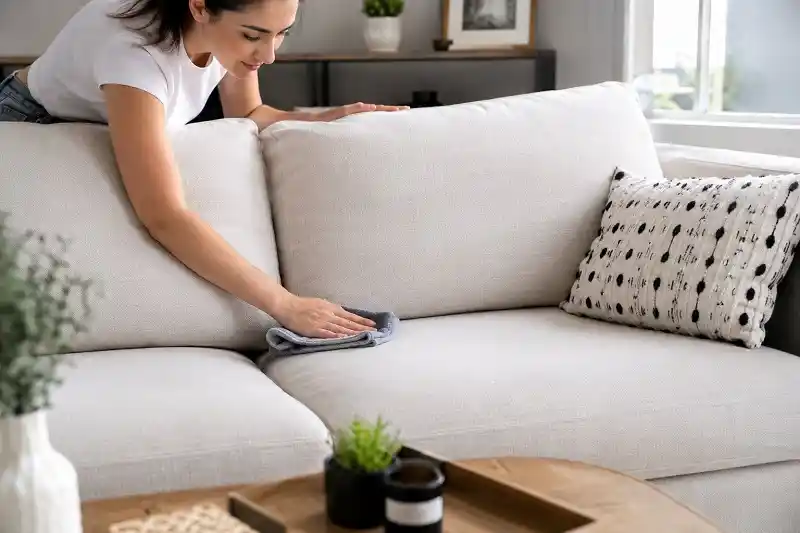
Your sofa is used every single day. Kids sit on it, pets jump on it, and food and drinks spill on it. Over time, it collects dust, stains, and bad odors. The good news is that you can clean sofa fabric easily using simple home supplies without spending money on expensive products or professional services. This complete guide explains how do I clean a fabric sofa safely, naturally, and effectively without causing damage.
What You Will Need Before You Start
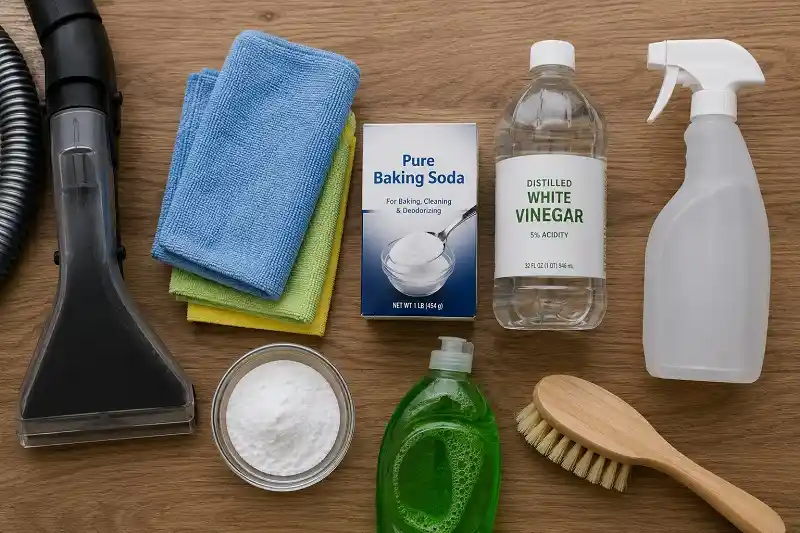
Before you begin cleaning your sofa, keep a few basic things ready. You will need a vacuum cleaner with a brush attachment, clean white microfiber cloths, a soft bristle brush, mild dish soap or liquid detergent, baking soda, white vinegar, a spray bottle, a bowl of warm water, and a fan or open window for drying. Always use white cloths when cleaning. Colored cloths can transfer dye onto your sofa fabric and make things worse.
Step 1: Check the Cleaning Code on Your Sofa
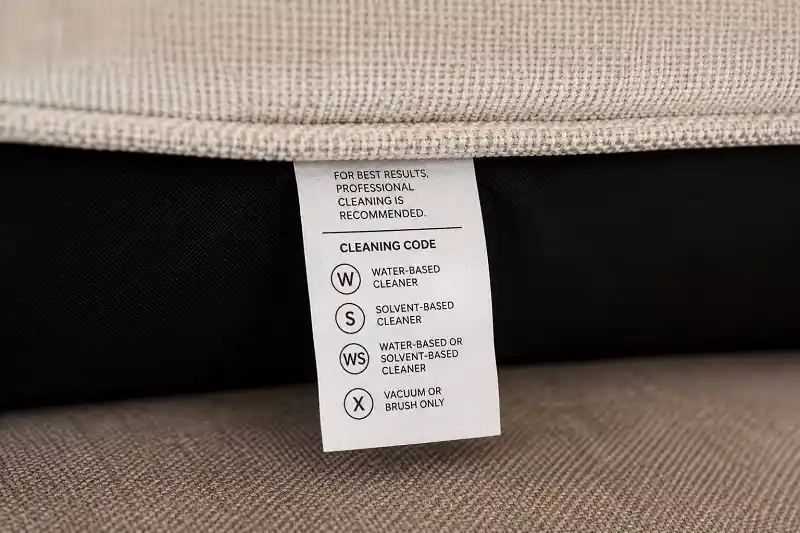
Every sofa has a care label stitched somewhere on it. You will usually find it under the seat cushions or on the bottom frame. This label tells you exactly which cleaning method is safe to use on your sofa. Using the wrong cleaner can permanently damage the fabric, so always check this first before doing anything else.
There are four cleaning codes you need to know. Check your label and match it to the table below.
| Code | What It Means | What to Use |
|---|---|---|
| W | Water-based cleaners only | Water, mild soap, vinegar solution |
| S | Solvent-based cleaners only | Rubbing alcohol or dry-cleaning solvent. No water. |
| WS | Both water and solvent are safe | Either water-based or solvent-based cleaners |
| X | Vacuum only. No liquids. | Vacuum cleaner only. Call a professional for stains. |
Step 2: Vacuum Your Sofa Thoroughly First
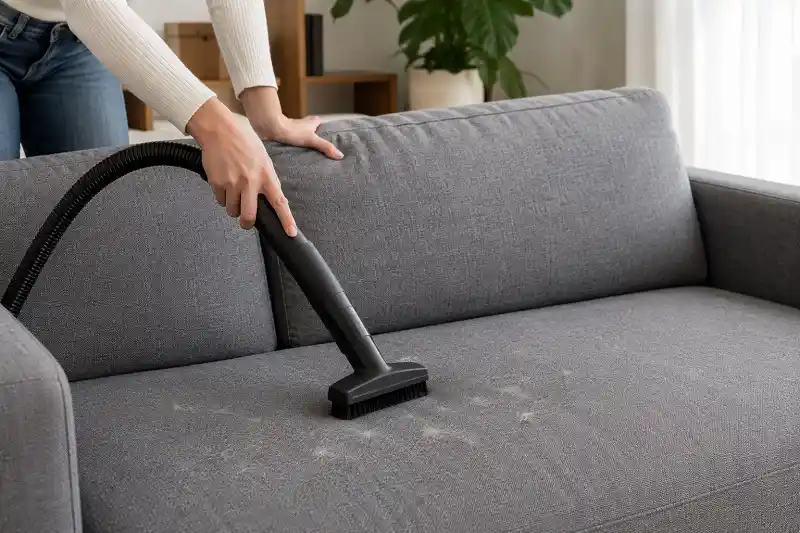
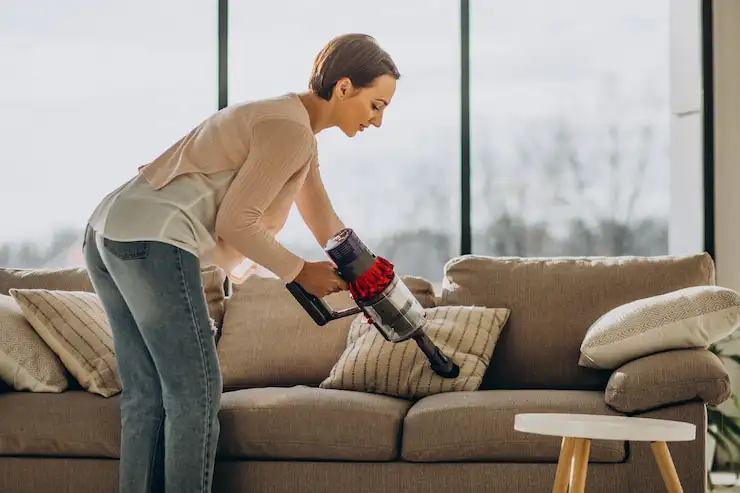
Vacuuming is always the first real cleaning step. Use a brush attachment on your vacuum and go slowly over every part of the sofa. Remove all the cushions and vacuum under them as well. Pay extra attention to creases and corners where crumbs and dust collect. This removes loose dirt, pet hair, and debris before you apply any liquid. If you skip this step, the dirt can spread deeper into the fabric when you start wet cleaning.
Step 3: Always Do a Spot Test First
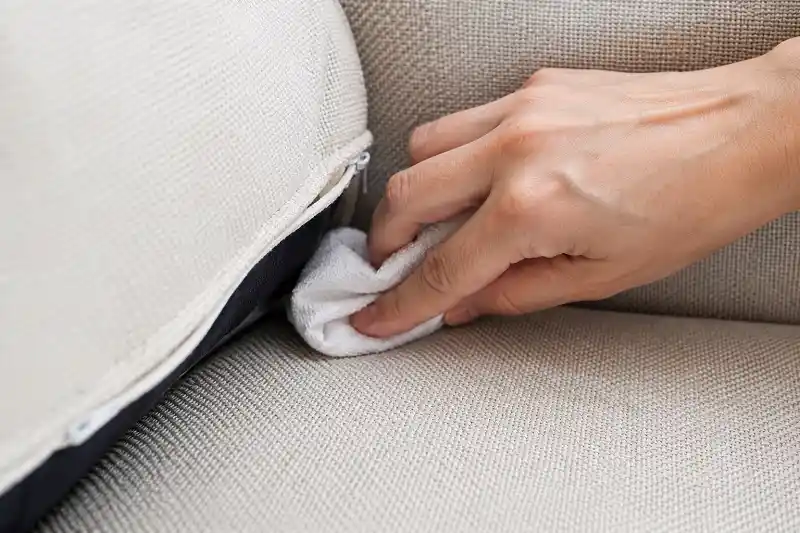
Never apply any cleaner directly to a visible area of your sofa without testing it first. Find a small hidden spot, such as the back corner or under a cushion, and apply a little of your chosen cleaner there. Wait 10 to 15 minutes and then check if there is any color change or damage to the fabric. If it looks fine, you can safely proceed with the full cleaning. This one simple step can save your sofa from serious and permanent damage.
Step 4: Choose the Right Cleaning Method
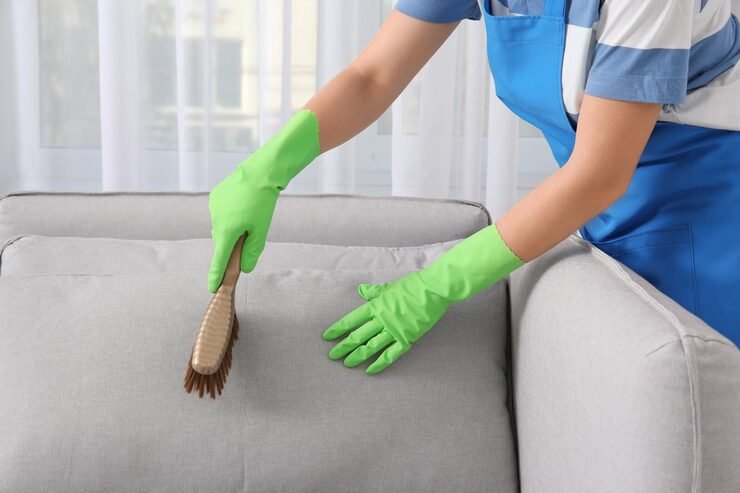
The cleaning method you use depends on the code you found on the label. For sofas with a W or WS code, mix a few drops of mild dish soap into a bowl of warm water. Dip a clean white cloth in the solution and wring it out well so it is only damp and not soaking wet. Gently blot the dirty or stained area of the sofa. Do not rub, because rubbing spreads the stain and can damage the fibers. After blotting, use a second clean cloth with plain water to rinse the area. Then let the sofa air dry fully before anyone sits on it.
For sofas with an S or WS code, use rubbing alcohol or a dry-cleaning solvent instead of water. Never pour the solvent directly onto the fabric. Always put it on a clean cloth first and then gently blot the stain. Work from the outside of the stain toward the center so it does not spread. Let the area air dry completely on its own and then brush the fabric lightly to bring back its texture.
For sofas with an X code, no liquid should be used at all. Regular vacuuming is your only safe option. If there is a serious stain on an X-coded sofa, you should call a professional cleaner rather than risk damaging the fabric yourself.
Step 5: How to Clean Fabric Sofa Naturally
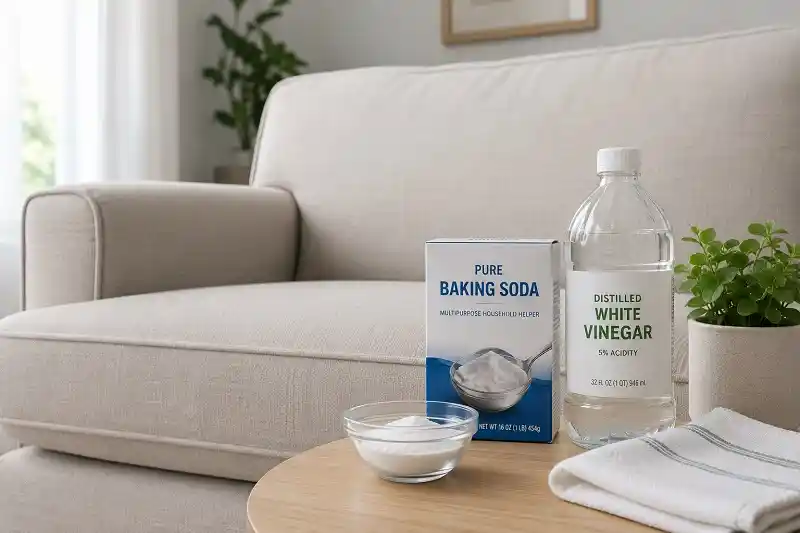
Many people prefer to clean sofa fabric naturally using ingredients already in their kitchen. These methods are safe, gentle, cheap, and work very well for regular cleaning and odor removal. You do not need to buy any special products to keep your sofa clean and fresh.
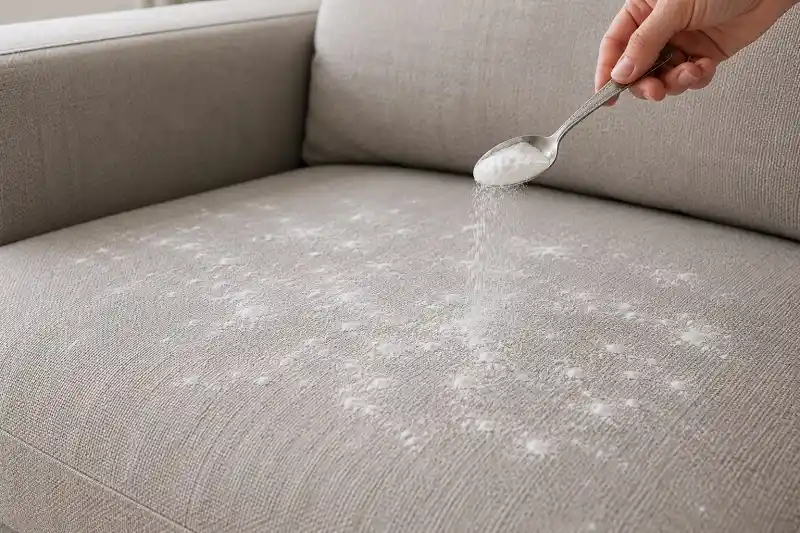
Baking soda is one of the best natural cleaners for fabric sofas. Simply sprinkle it all over the sofa surface and leave it for 20 to 30 minutes. If your sofa has a bad smell, leave it for a few hours. Then vacuum it all up using the brush attachment. Baking soda absorbs odors and pulls out light dirt from the fabric. Your sofa will smell clean and fresh after this treatment.
White vinegar mixed with water is another very effective natural option. Mix equal parts white vinegar and water in a spray bottle and spray it lightly on the stained area. Gently rub with a clean white cloth and then rinse the cloth in clean water and wipe again. Let the sofa air dry completely. You do not need to worry about the vinegar smell. It disappears completely once the sofa is fully dry.
Dish soap foam is a third natural method that works well for general dirt and mild stains. Mix a small amount of dish soap with warm water and whip it into a foam using a fork or whisk. Apply only the foam to the fabric with a cloth. Using just the foam prevents too much water from soaking into the sofa. Wipe away with a clean damp cloth and let it air dry.
Step 6: How to Remove Stains from Sofa Fabric
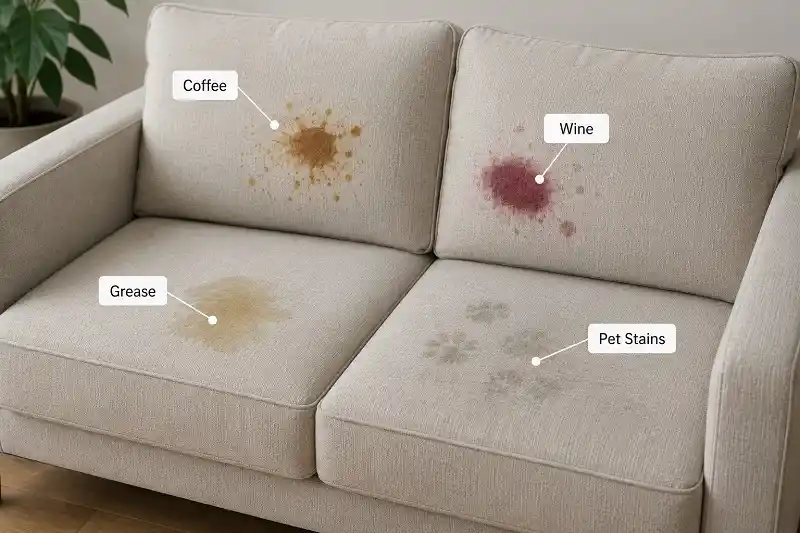
Different stains need different treatment. The most important rule with any stain is to act as fast as possible. The sooner you treat it, the easier it will come out. Never let a spill sit and dry into the fabric if you can help it. The table below gives you a quick overview before the full instructions for each stain.
| Stain Type | First Step | Best Cleaner |
|---|---|---|
| Coffee and Tea | Blot liquid immediately | Dish soap and cold water |
| Red Wine | Blot, then dilute with cold water | Salt first, then dish soap solution |
| Pet Urine | Blot as much as possible | Vinegar and water, then baking soda |
| Grease and Oil | Sprinkle baking soda to absorb oil | Dish soap after removing powder |
| Ink | Do not rub. Blot only. | Rubbing alcohol on a cotton ball |
| Food | Remove solid pieces with a spoon | Dish soap and warm water |
Coffee and Tea Stains
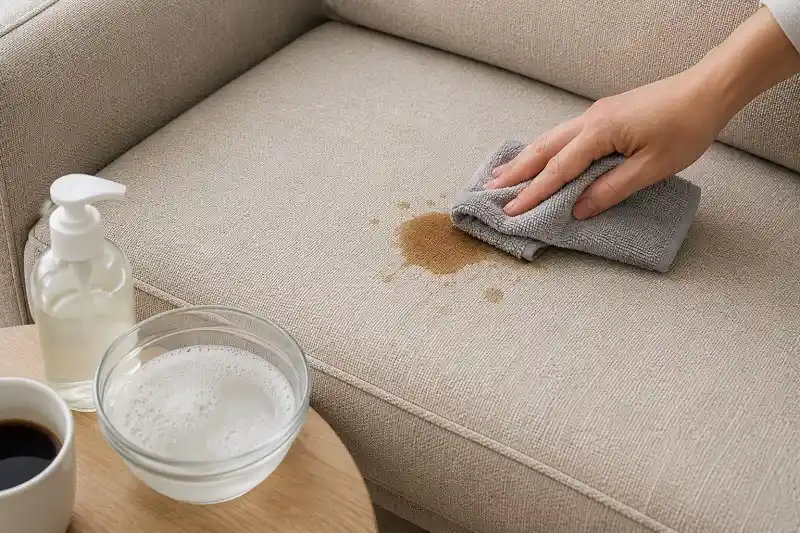
Blot up as much of the liquid as possible right away using a dry white cloth. Then mix one spoon of dish soap with two cups of cold water. Dip a cloth in the solution and blot the stain gently. Keep repeating this until the stain fades. Rinse with a damp cloth and let the area air dry completely.
Red Wine Stains
Blot the spill immediately with a dry cloth and try to absorb as much wine as possible. Pour a little cold water on the stain to dilute it and blot again. You can also sprinkle salt on a fresh wine stain and leave it for a few minutes to absorb the wine. Then vacuum up the salt and treat the remaining stain with a dish soap and water solution.
Pet Urine Stains
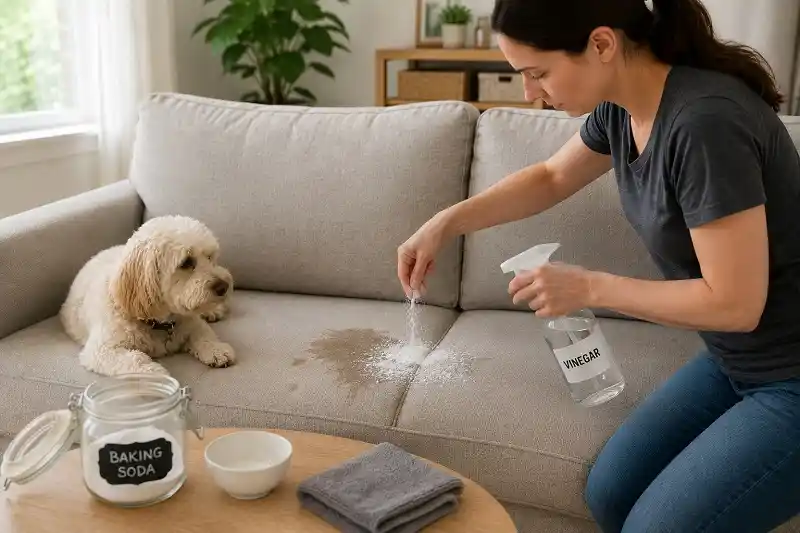
Blot up as much urine as you can right away with a dry cloth. Then mix white vinegar and water in equal parts and spray it on the area. Leave it for about 5 minutes and then blot it dry. After that, sprinkle baking soda on the area and leave it overnight. Vacuum it all up the next morning. Vinegar removes both the stain and the smell from pet urine very effectively.
Grease and Oil Stains
Sprinkle baking soda or cornstarch directly on the grease stain first. This helps absorb the oil from the fabric. Leave it for 15 to 20 minutes and then brush or vacuum the powder away gently. After that, apply a small amount of dish soap on the area with a damp cloth and blot gently. Rinse with a clean damp cloth and let it dry.
Ink Stains
Dab a small amount of rubbing alcohol onto a cotton ball and gently blot the ink stain. Do not rub, as this will spread the ink further. The ink will slowly transfer onto the cotton ball. Keep using fresh cotton balls until the stain is gone. Wipe the area with a damp cloth at the end and let it air dry. Always test rubbing alcohol on a hidden spot first because some fabrics react badly to it.
Food Stains
First remove any solid pieces of food using a spoon or a dull knife. Do not press or rub the food into the fabric. Once the solid part is removed, mix dish soap and warm water and blot the remaining stain with a cloth. Rinse with a clean damp cloth and allow the area to air dry fully.
Step 7: Deodorize and Dry Your Sofa Properly

After cleaning, your sofa needs to dry completely before anyone uses it. A damp sofa can grow mold and develop unpleasant odors. Open all the windows in the room and use a fan to speed up the drying process. Do not sit on the sofa until you are sure it is fully dry throughout. For deodorizing, sprinkle baking soda over the whole sofa, leave it for 20 minutes, and then vacuum it all up. Your sofa will smell clean and fresh.
Cleaning Tips by Fabric Type
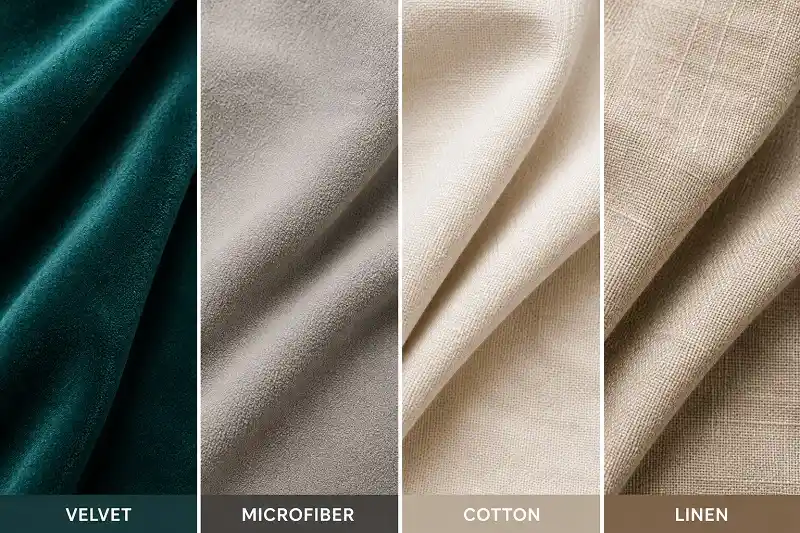
Not all fabric sofas need exactly the same care. Different materials have different properties and need slightly different handling. Choosing stain-resistant fabric like Sunbrella upholstery fabric can help reduce cleaning effort. Use the table below as a quick reference for the most common sofa fabrics.
| Fabric Type | Cleaning Method | Things to Avoid |
|---|---|---|
| Velvet | Vacuum with a soft brush. Blot stains gently. Brush in one direction after drying. | Never rub velvet. Keep away from direct sunlight. |
| Microfiber | Rubbing alcohol for stains. Mild soap and water for general cleaning. Use a stiff brush after drying to fluff fibers. | Avoid soaking the fabric with too much water. |
| Cotton | Cold water and mild soap. Some covers can be removed and machine washed. | Never use hot water. Always check the label before machine washing. |
| Linen | Mild soap with cool water. Blot gently and air dry in a ventilated room. | Never scrub linen. Avoid excess water. |
How Often Should You Clean Your Sofa?
Regular cleaning is the best way to keep your sofa looking new for longer. Every week you should vacuum the full sofa including under the cushions. Rotating and fluffing the sofa cushions each week also helps them keep their shape. Every month, wipe down the sofa with a lightly damp cloth and sprinkle baking soda to freshen it up. Every three to six months, do a full deep clean with soap and water and treat any stains that have built up over time. Once a year, consider using a steam cleaner for a very thorough deep clean or hire a professional fabric cleaning service.
DIY Cleaning vs Professional Cleaning
Most everyday cleaning can be done at home at very little cost. DIY cleaning takes about 30 to 60 minutes and works well for regular maintenance and fresh stains. Professional cleaning costs more but is much more thorough. It is better for deep-set stains, annual deep cleans, or for delicate fabrics that need special care. For most people, DIY cleaning works well for regular maintenance, but fabric sofa upholstery experts can help restore heavily stained or worn sofas more effectively.
When Should You Call a Professional Cleaner?
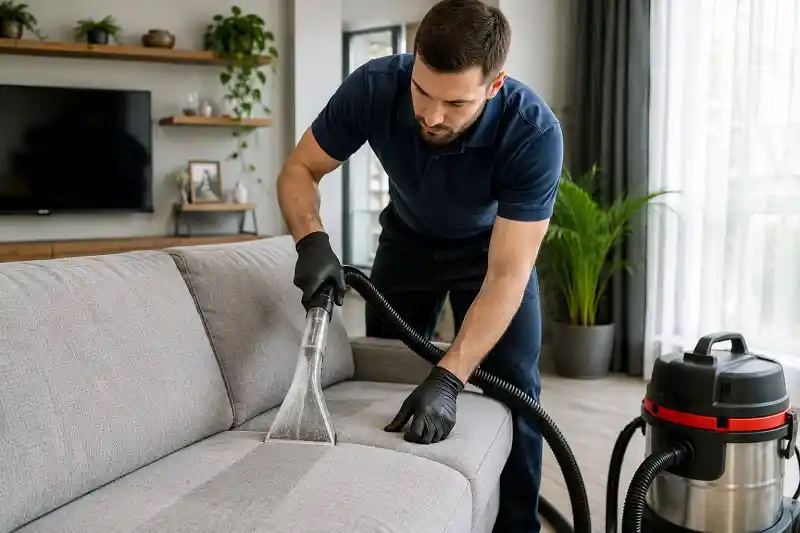
Sometimes home cleaning is not enough and you do need to call a professional. You should consider professional help if the stain has been sitting for a long time and is very deeply set into the fabric. You should also call a professional if your sofa has an X cleaning code, if there is mold or mildew growing on the fabric, or if the sofa smells very bad even after home cleaning. If the fabric is delicate like silk or antique material, it is always safer to leave it to an expert. And if you tried home cleaning and accidentally made the stain worse, stop and call a professional rather than continuing.
Extra Tips to Keep Your Sofa Clean Longer
Prevention is always better than cleaning. A few simple daily habits can make a big difference in how clean your sofa stays. Use a sofa cover or throw blanket for everyday protection. Blot any spill the moment it happens and never let it sit. If you have pets, give them a dedicated pet blanket on the sofa rather than letting them sit directly on the fabric. Rotate your cushions every week for even wear. Keep your sofa away from direct sunlight to prevent the fabric from fading. Opening windows regularly also helps air out the sofa and keeps it smelling fresh.
Final Thoughts
Cleaning your fabric sofa at home is not difficult at all. You just need to use the right method and the right supplies for your custom sofa type. Always start by checking the cleaning code on the label and vacuum the sofa before applying any liquid. Act fast when a spill happens and never let stains sit for too long. Use natural options like baking soda and white vinegar when you can. They are safe, gentle, and work very well on most fabric sofas. Follow a regular cleaning schedule and your sofa will stay looking fresh and beautiful for many years to come.